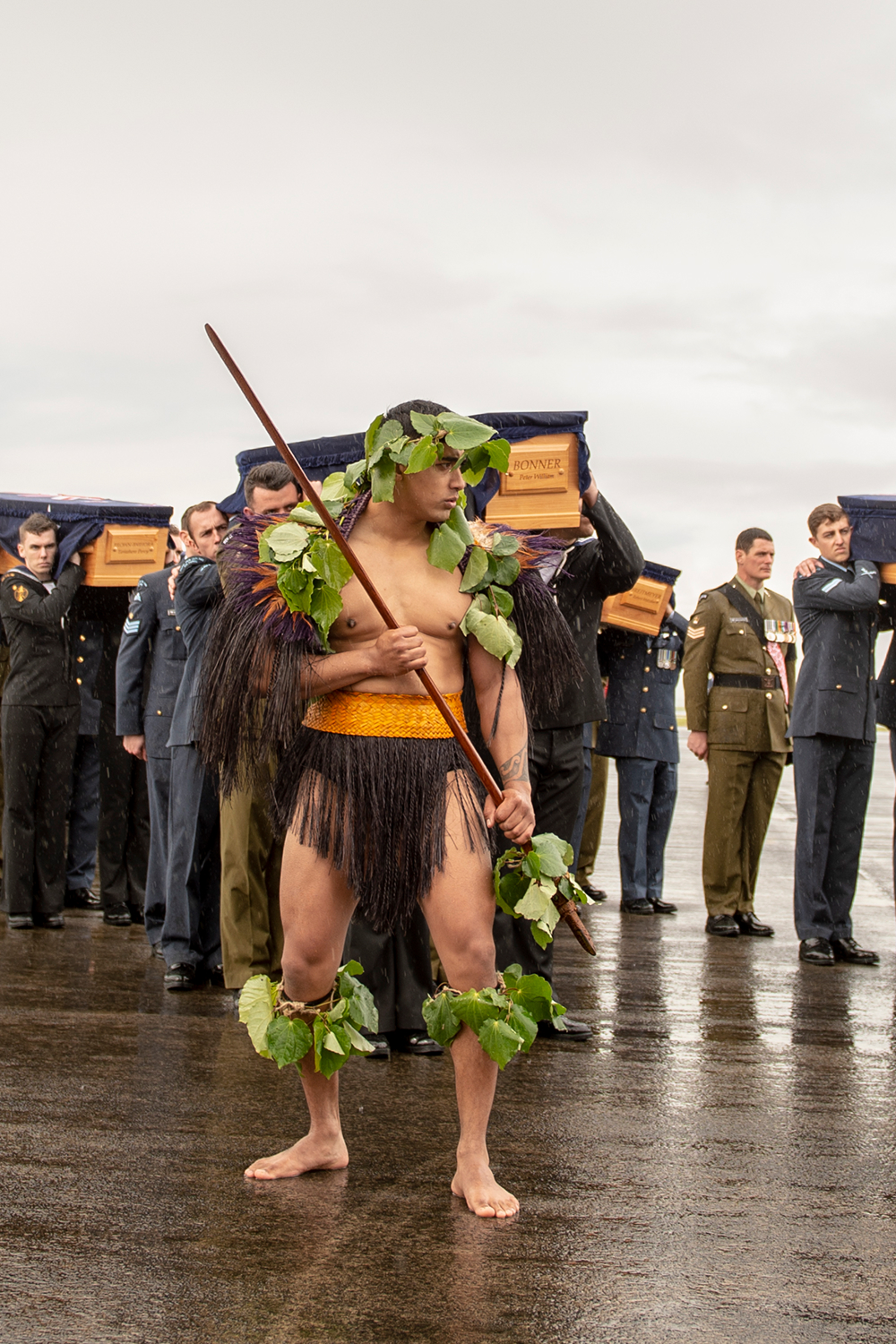
The funeral director’s primary duty is to plan, organise, and oversee all aspects of the funeral service, working closely with the family and officiant to meet their wishes while ensuring appropriate scheduling and respect for cultural traditions.
Funeral / Tangihanga Arrangements
The funeral director’s primary responsibility is to coordinate all necessary arrangements in preparation for the funeral day. They collaborate closely with the minister or celebrant to ensure that any special family requests such as specific music, flowers, photographs, or candles are fulfilled by the time of the service.
Our funeral director will also discuss with the family whether they would like printed materials, including service sheets or audiovisual presentations, as part of the ceremony.
Ultimately, the minister or celebrant oversees the funeral service itself. Their role generally includes working with family members to:
- Plan the structure and flow of the funeral service
- Decide who will deliver the eulogy, whether it be family members or close friends
- Select appropriate music, readings, or poems for the service
- Arrange for the use of symbols such as candles, flowers, and photographs, and discuss printing service sheets if desired
- Coordinate any audiovisual presentations scheduled during the service
Cultural Awareness
The Wellington region embraces a rich diversity of cultures and religions. Over many years, we have built trusted, strong relationships with numerous community groups, ensuring that we respect and honour your unique cultural practices and customs throughout every stage of the funeral process.
Many of these communities are close-knit, and in serving them, we have often become both trusted funeral directors and valued friends. Your traditions and protocols are important to us, and we are committed to providing compassionate, personalised care that embraces the diversity of our region.
Many people find comfort in spending time with their loved one before the funeral as a meaningful opportunity to say goodbye. A viewing can help begin the healing journey by allowing family and friends to acknowledge the reality of the loss. It also provides a chance to place treasured mementos such as cards, letters, photos, flowers, or other personal items with the deceased.
Some families choose to care for their loved one at home or another preferred place for a few days, and we are here to help arrange this according to your wishes and on a schedule that suits everyone.
Including children in funeral preparations can be beneficial. Seeing the deceased can be a positive experience for them, helping them understand and accept the finality of death. While it was once common for children to be excluded, today it is widely recognised that they should have the choice to participate in farewells like viewings and funerals.
Viewings at our funeral home are available Monday to Friday, 8:30am to 5:00pm, and may also be arranged outside these hours by appointment.
The timing of the funeral is entirely your decision. While there are no legal requirements regarding when a funeral must be held, cultural and religious traditions often influence this choice. Typically, funerals occur within five to seven days after death, considering the many details involved in planning.
If needed, the funeral can be scheduled for a later date to allow time for family and friends traveling from overseas to attend. There is no need to rush; taking extra time helps ensure thoughtful decision-making and that important arrangements are not overlooked. We are flexible with timing and will work with you to select a date that allows everyone to participate and say their farewells.
If you belong to a religious denomination, your priest or minister is usually the most appropriate person to conduct the funeral service. You may wish to notify them when a death occurs, although the funeral director often contacts them to confirm the funeral’s date and time.
Funeral celebrants are also available to lead services, offering ceremonies tailored to the family’s cultural beliefs and personal wishes. The funeral director maintains a list of celebrants for you to choose from and can recommend someone suitable for your circumstances if needed.
If you plan to use a celebrant, meeting with them beforehand if possible while your loved one is still alive can be beneficial. This allows the celebrant to better understand your loved one’s preferences and create a meaningful, personalised funeral service.
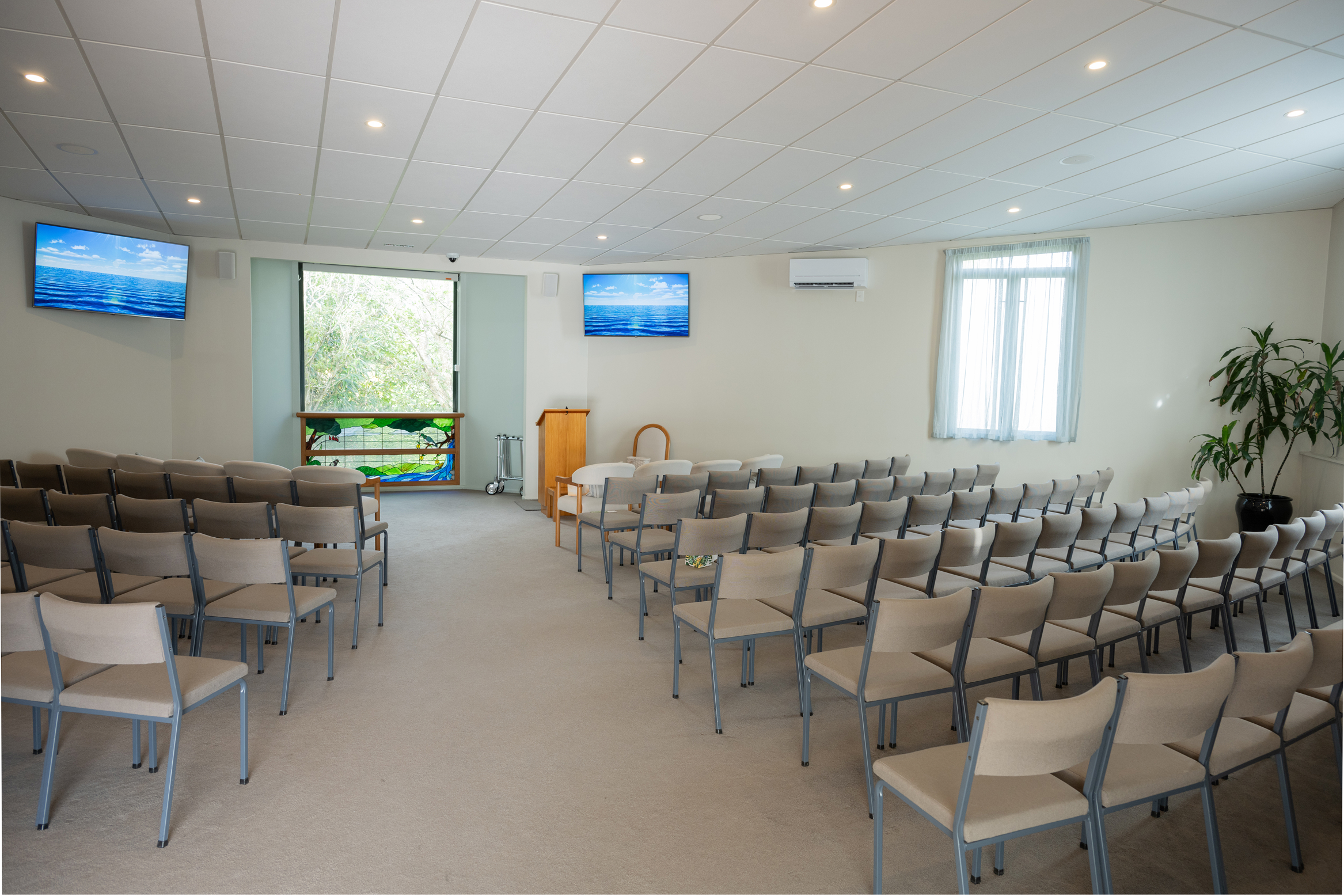
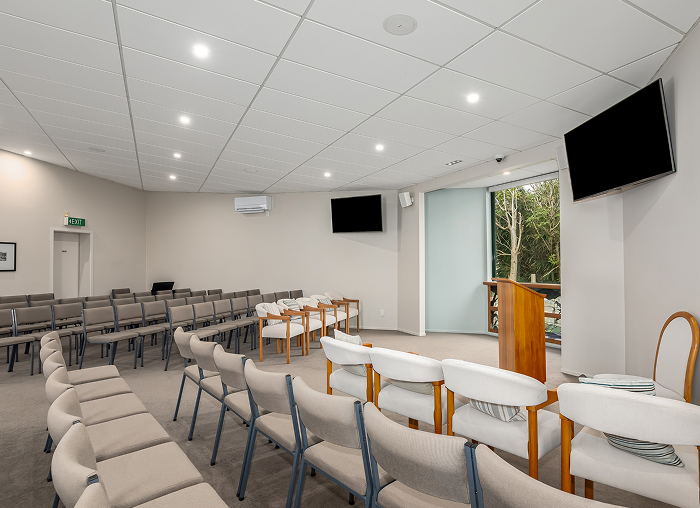
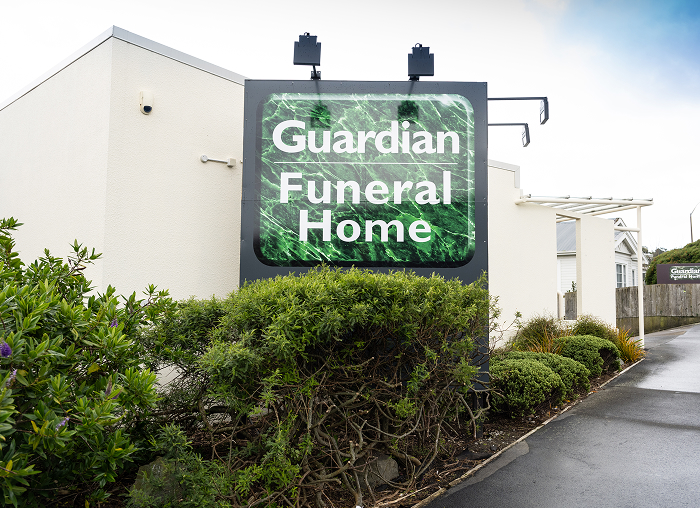
Choosing the location for the funeral service is an important part of the planning process. If the person belonged to a religious denomination, the service is often held in their local church. Alternatively, you may prefer to use our funeral home chapel in Johnsonville. Both Whenua Tapu and Karori crematoriums have chapels available.
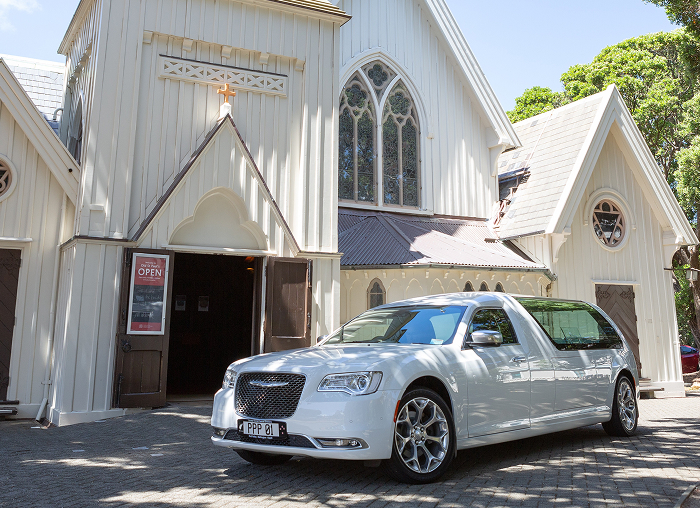
The service can also be held at other venues, such as Old St Paul’s in Wellington, or at a location that holds personal significance—like the family home, a sports club, a beach, or any place that reflects the life and values of the person who has died.
When selecting a venue, many families appreciate having a catering lounge available for a ‘cup of tea’ after the service. Our funeral director will be happy to talk through suitable options with you.
If you are using pallbearers, it is best that you approach these people prior to the funeral service. Many friends will be honoured to assist you by helping carry the casket at the funeral. Asking for this kind of assistance may also be a useful way to incorporate service clubs that the person was a member of, or to involve cousins, nephews and nieces.
The usual way to carry the casket in New Zealand is at ‘arm’s length’. The method of carrying it up on the shoulder, although common in some other countries, tends to be reserved for full military or VIP funerals. However, there is no reason why it cannot be done in this way if that is what the family chooses. Regardless of which method is used, it is preferable for six people to be available as pallbearers.