During your first contact with Guardian Funeral Home, our funeral director will ask whether your loved one wished to be buried or cremated.This choice determines the type of medical certificate we are legally required to obtain for the funeral arrangements.
Burial at Local Cemeteries / Urupā
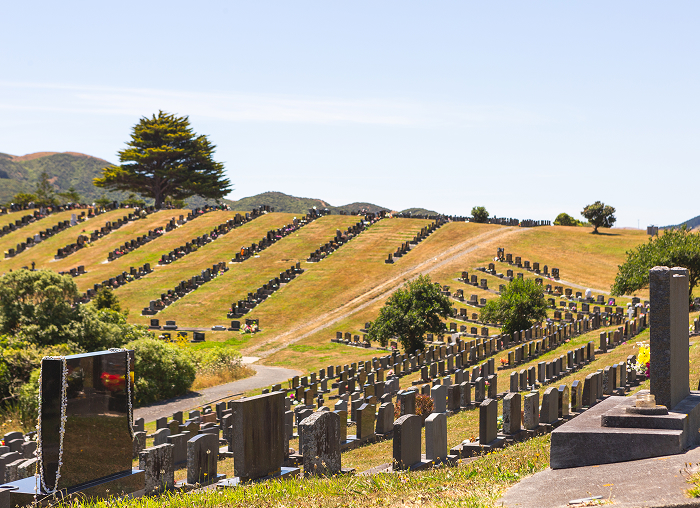
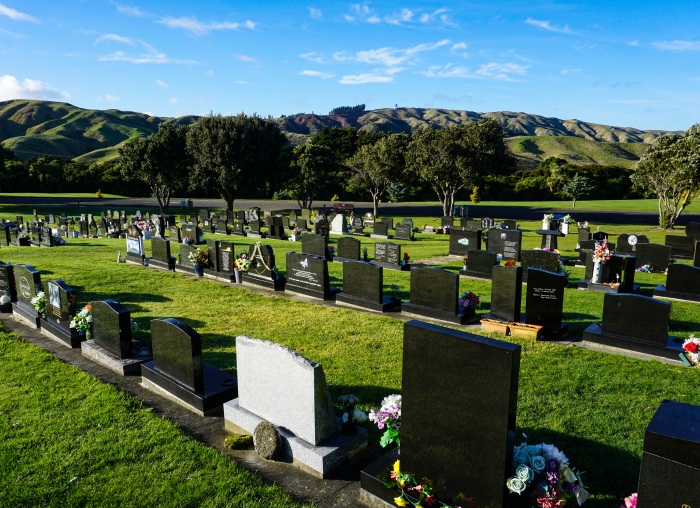
Burials must take place in a cemetery approved by the Ministry of Health, except in rare cases where special permission is granted. Most cemeteries are operated by local councils, trusts, or iwi. Our local cemeteries typically offer options for Upright Headstone or Plaque memorial sections, and you may find it helpful to visit the cemetery to decide which style you prefer. Some cemeteries also allow you to select your burial plot during your visit.
It’s important to consider whether other family members might want to be buried in the same plot in the future. Many cemeteries permit up to three burials in one plot, so you may want to choose between single, double, or triple depth burial arrangements as part of your planning.
Whenua Tapu Cemetery
Address: 293 Airlie Road, Pukerua Bay
(View on Google Maps)
Mākara Cemetery
Address: 237 Mākara Road, Wellington
(View on Google Maps)
Karori Cemetery
Address: 76 Old Karori Road, Karori
(View on Google Maps)
Eco Burial
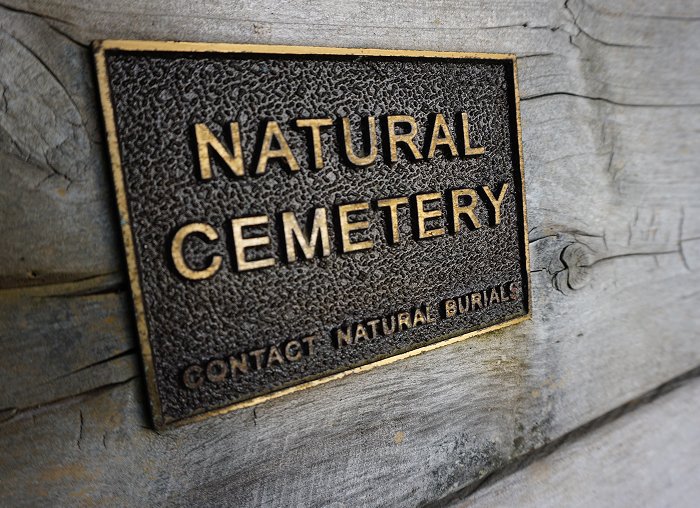
Mākara and Ōtaki Cemeteries offer natural burial options that follow specific guidelines to protect the environment. These cemeteries are designed to be as natural as possible, avoiding anything that might disrupt or pollute natural processes.
Graves are dug only into the active soil layer, and bodies are not embalmed. They are buried in biodegradable caskets made from untreated, sustainable wood. The soil used to fill the plots is aerated and organically active, and each grave is planted with a native tree species. Over time, the cemeteries will transition back to native bush, creating a living memorial and a habitat for local flora and fauna.
This approach ensures that all nutrients from the body return naturally to the earth, making these cemeteries environmentally friendly and peaceful places for families to visit and remember their loved ones.
Key features of a Natural Burial
No embalming: Bodies buried on this site must not be embalmed. The purpose of this requirement is to speed up the natural processes of returning the body and its nutrients to the soil, and to reduce the amount of artificial materials we introduce to the soil.
Burial in the upper soil layers: Bodies will be buried within the active soil layer or as close to it as possible. Depth will vary according to the soil conditions. Plots will be partly refilled with compost to help enrich the soil.
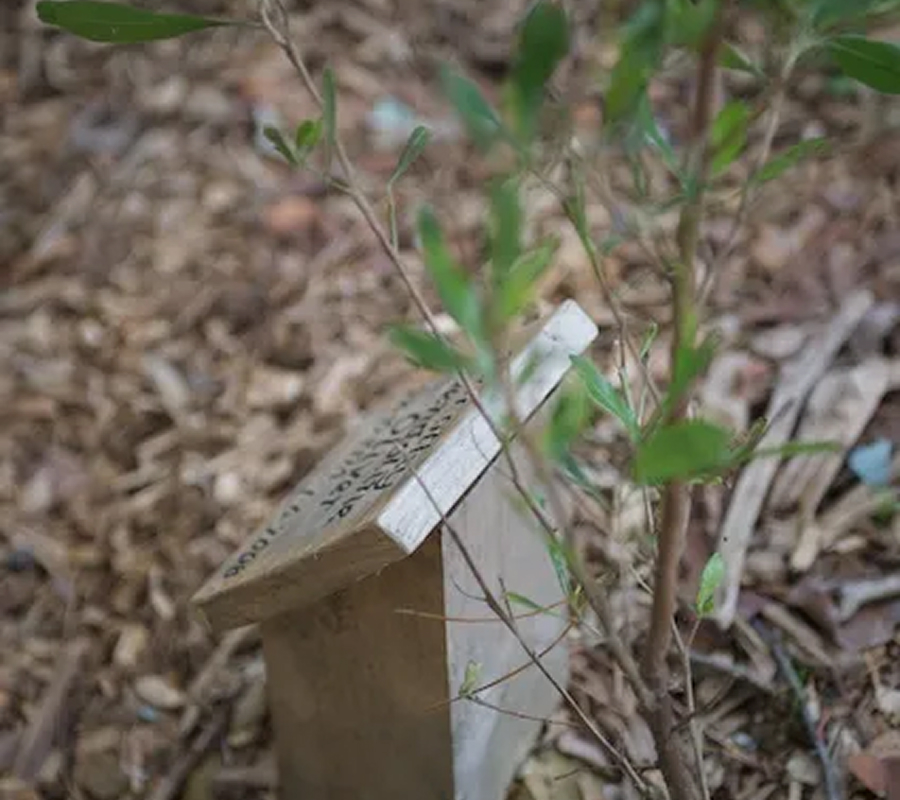
Trees: A native tree will be planted at the head or base of the plot. You can choose it from a dozen nursery plants. These trees are the basic building blocks of a native habitat restoration programme.
Over time, other trees will be planted over and around the plot. To improve survival, the Wellington City Council will not plant trees for plots in summer.
Caskets: You must use a casket approved by Natural Burials. These caskets will be made from sustainably grown and harvested woods, with no chemicals or artificial compounds used in the treatment of the wood or the manufacture of the casket or its accessories.
Plot markers: A non-treated wooden post is sunk into the ground at the head or foot of the plot. You or your family can include on the post cap and sides a poker-burnt engraved inscription of your choice. The marker is designed not to be permanent. However, the plot and details of the person buried there are marked and drawn on a map held by the council.